



With its rich culture, historic landmarks, and world-renowned cuisine, Italy is a dream destination for many international students. But how much does it cost to live the Italian student life, and more importantly, how can you stretch your euros without compromising on gelato or espressos? Let’s dive into this guide to help you budget like a pro while enjoying la dolce vita.
1. Rent: The Big Slice of Your Budget
Housing will likely be your biggest expense, and the cost varies dramatically depending on where you live. Milan, Rome, and Florence? Brace yourself — rent can range from €400 to €800 per month for a room in a shared apartment. Smaller cities like Bologna or Padua are more forgiving, averaging around €300 to €400. If you’re really on a budget, some towns offer rooms for as low as €200, but good luck finding that in Milan!
Pro Tip: Look for university-managed dormitories or co-living spaces; they’re often cheaper and have the bonus of meeting fellow students. Plus, if you live with Italians, you might even learn how to make carbonara correctly (spoiler: no cream allowed).
2. Food: From Michelin Stars to Street Markets
Italy is a haven for foodies, but eating out every day will burn through your budget faster than you can say tiramisu. A meal at a restaurant can cost €30–€50, while a slice of pizza on the go is a wallet-friendly €5. Cooking at home is your best bet for saving money, and supermarkets offer a wide range of affordable, fresh produce.
Pro Tip: Shop at local markets for seasonal fruits and vegetables; they’re cheaper and fresher. And don’t skip pasta night — it’s not just a cliché; it’s budget-friendly and oh-so-delicious. A bag of pasta and a jar of sauce can feed you for a couple of days for under €5.
3. Transportation: The Vespa Dream vs. Reality
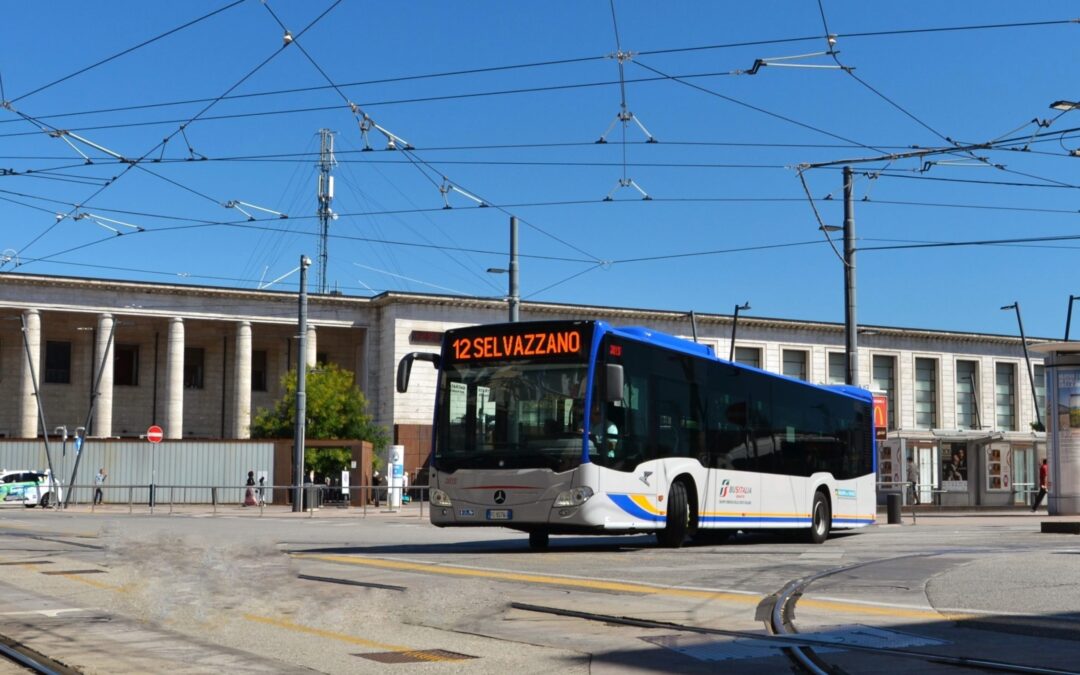
Public transportation is your best friend. Monthly passes cost around €25–€35 for students, depending on the city. Vespas are cool but expensive and require insurance, so save them for Instagram dreams. If you’re in a smaller town, a bike might be all you need (bonus: no gym membership required).
Pro Tip: Always validate your train or bus ticket before boarding, or you might end up paying a fine that could’ve covered your monthly coffee budget.
4. Leisure: Living the Italian Life
Student life isn’t just about studying — especially not in Italy. A night out can cost €20–€30 for drinks and snacks, while entry to museums and galleries is often discounted or free for students. And let’s not forget gelato, which is practically a necessity. At €2–€3 per scoop, it’s the cheapest way to experience heaven.
Pro Tip: Take advantage of cultural events, festivals, and free walking tours to explore your city without spending much. Bonus: You’ll look like a local in no time.
5. Hidden Costs to Watch Out For
- Utilities: If they’re not included in your rent, expect to pay €50–€100 monthly, depending on the season. Yes, winters can be expensive if you like a warm apartment.
- Health Insurance: Some universities include it in tuition, but if not, budget €100–€200 annually for private coverage.
- Books and Supplies: Second-hand stores and digital versions are lifesavers. Or make friends with someone who’s already taken the class.
Budget Breakdown: A Monthly Estimate
Here’s a rough idea of what your monthly expenses might look like:
- Rent: €300–€600
- Food: €150–€250
- Transportation: €25–€35
- Leisure: €50–€100
- Utilities & Miscellaneous: €50–€150
Total: €575–€1,135
Final Thoughts: Balance is Key
Living in Italy as a student doesn’t have to break the bank, but it does require some planning. Splurge occasionally — because life’s too short not to have that extra scoop of pistachio gelato — but also learn to budget wisely. After all, it’s not just about making it through the semester; it’s about enjoying the journey, Italian style.
So, grab your student discount card, embrace pasta dinners, and remember: budgeting is just another part of the adventure!